The first thing you notice about Molehill Empire 2 is how little it asks. A plot, a handful of seeds, a gnome who looks mildly amused by everything. You sow, you wait, you harvest, you sell. For an evening or two that might feel too simple, and then the rhythm clicks: you begin planning which crops will be ready when you next sit down, and the garden starts to feel like an allotment you actually tend.
It is made by upjers, the German studio behind several games on this shelf, and it shows their habit of hiding depth behind a friendly face. Underneath the cheerful art there are quests, research, guilds and a market of real players. None of it is forced on you in the first week. It arrives as you are ready, which is exactly how a cosy game should unfold.
Beds, weeds and the satisfaction of a full harvest
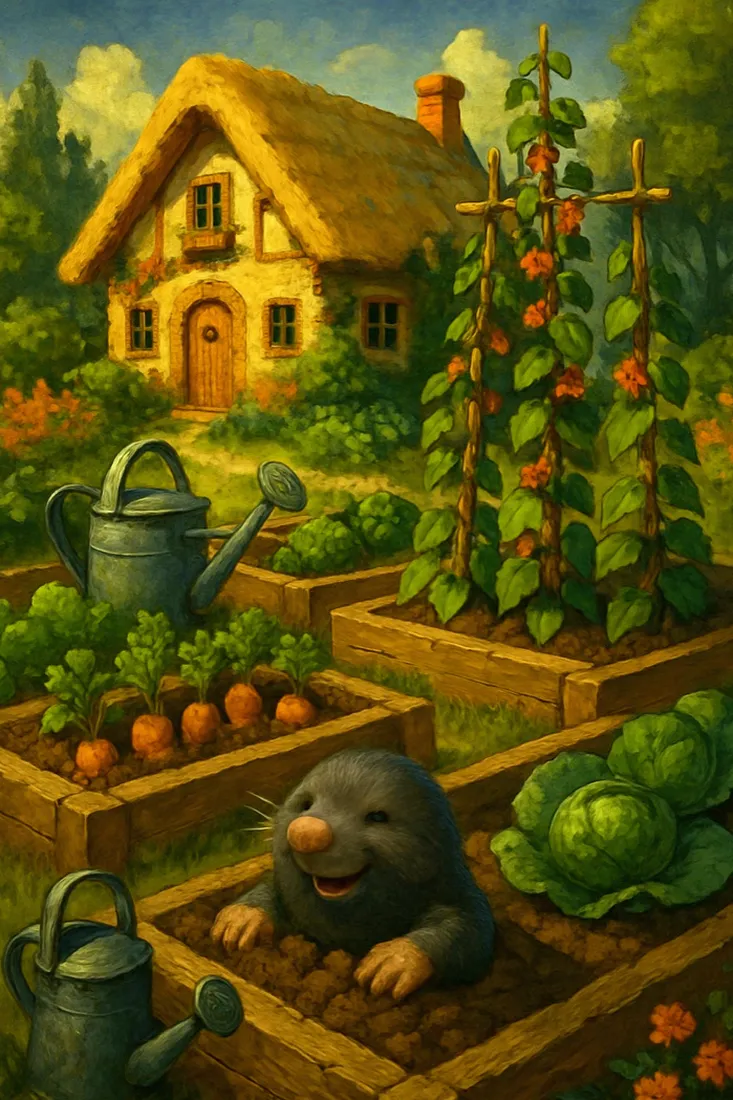
The core is a grid of garden beds. You choose from a broad range of fruit and vegetable plants, each taking its own time to ripen, and the pleasure lies in matching growing times to your day. Short crops for an afternoon at home, longer ones before bed. Weeds and pests turn up on the plot and need clearing, which gives each visit a small tidying ritual before the planting begins.
What we liked most is how the game respects absence. Ripe crops wait for you rather than rotting in a panic, so a busy Thursday costs you time but not your garden. That single design choice makes it far kinder than many farming games, and it is the main reason it sits at the top of our shelf. You come back because you want to, not because a timer is glaring at you.
Gnomes with ambitions beyond the potting shed
The gnomes are more than decoration. They are your helpers, and the game gives them a life of their own: the official page mentions gnomes that can be trained into singing gnomes for better harvests, and others entered as jockeys in snail races. It is gloriously silly, and it gives the garden a personality that pure spreadsheets of carrots never manage.
These side activities also break up the planting loop. On evenings when you do not fancy optimising beds, there is something whimsical to poke at instead. We found ourselves checking on the gnomes as much as the crops, which says something about how warmly the game is written. It feels like a small, eccentric community rather than a factory.
Trading carrots with strangers in Green Valley
Molehill Empire 2 is quietly social. A built-in messenger lets you strike deals with other gardeners, and the official description promises a journey from self-sufficiency to produce delivery fame. In practice that means selling what you grow, buying what you lack and learning which neighbours reliably have strawberries when you need them.
Guilds add the next layer. You can join one or found your own, and guild members take on cooperative quests together. If you enjoy a little company without competition, this is the sweet spot: people to chat with, shared goals, and nobody storming your plot. Players who prefer solitude can ignore most of it and still make steady progress alone.
Honey, herbs and the long road south
The game opens up gradually through quests set in the southern reaches of Green Valley. As you progress you unlock features such as honey production and a medicinal herb garden, plus stranger buildings around town, including a monster plant farm. Research lets you discover new plants and improve your yield, and achievements and trophies mark the milestones along the way.
This is where the free-player question matters. Optional purchases exist and can speed things up, and later stages ask for real patience. But the game never felt like it was holding the good parts hostage during our play; it just moved at garden speed. If you want to rush, you will feel the pull of the shop. If you want a hobby, you will barely notice it.
Settling into Molehill Empire 2
- Plant the quickest crops first so you see a full harvest cycle within your opening session and learn the rhythm.
- Clear weeds and pests as they appear; it keeps beds free and makes each visit start with a tidy plot.
- Follow the early quests closely, because they unlock features in a sensible order and explain the town around you.
- Open the messenger and browse a few trade offers before making your own, just to learn what crops are worth.
- Look for a friendly guild by the end of the week; cooperative quests make the slower stretches far more sociable.
What we love
- Ripe crops wait patiently, so missing an evening never wrecks your garden.
- The gnomes have real personality, from singing lessons to snail racing.
- Trading with real gardeners gives your surplus a purpose and your plot a community.
- Features unfold steadily through quests rather than all at once.
What grates
- The first evening can feel thin before trading and guilds open up.
- Later unlocks ask for considerable patience if you never use the shop.
- The app cannot be linked to a browser account, so choose your home early.
Who Molehill Empire 2 will delight
Anyone who has ever enjoyed an allotment, a windowsill herb pot or simply the idea of one. It suits players who like routine, small decisions and a bit of friendly trading, and it is ideal for a quiet ten minutes over breakfast before the commute.
Molehill Empire 2, all told
Molehill Empire 2 is the most complete cosy game on our shelf. It starts small and humble, then reveals a valley full of quests, gnomes with hobbies and neighbours who want your carrots. Above all it respects your time: crops wait, nothing withers, and the reward for coming back is always something new to plant. A thoroughly gentle habit, and our first recommendation.